
Agent sparse worktree blindness in monorepo workflows
Discover how to prevent AI coding agents in Git sparse-checkout worktrees from missing out-of-cone callers and breaking monorepo trunk builds.
Practical engineering guides on AI agents, model routing, autonomous workflow orchestration, Model Context Protocol (MCP), and multi-agent systems.
Autonomous AI agents are transforming modern software development from simple autocomplete into deterministic execution graphs. This pillar explores multi-agent architectures, model routing policies, tool-calling pipelines with Model Context Protocol (MCP), and automated editorial workflows. Every guide focuses on real-world engineering constraints: eliminating hallucinations, enforcing strict schema validation, managing token context limits, and preventing costly loops.
Discover how to prevent AI coding agents in Git sparse-checkout worktrees from missing out-of-cone callers and breaking monorepo trunk builds.

Learn how to build true fail-closed verification gates in multi-agent pipelines to quarantine defective drafts and prevent expensive retry loops.

Learn how separate builder and reviewer retry budgets prevent early validation errors from blocking qualitative editorial repairs in automated AI workflows.

Learn how to limit the working-tree paths visible to a coding agent using Git worktrees and sparse-checkout, while keeping workspace visibility distinct from security enforcement.

An analysis of why poll-based reply bots fail silently in production due to bare continue statements and fixed lookback windows, with architectural solutions for structured skip reporting.

An architectural guide on how to safely manage cleanup and ephemeral lifecycles for parallel AI coding agents in Git worktrees without corrupting shared reflogs.

Learn how to build bounded LLM fallback chains that prevent cost overruns, respect rate limits, and stop on billing errors.

Learn how to keep an LLM fallback tier proven with async shadow traffic, response-shape contracts, and scheduled failover drills.

Learn how to resolve merge conflicts and integrate code safely when multiple autonomous AI coding agents edit code concurrently in linked Git worktrees.

Learn how to reliably extract structured JSON from reasoning-model APIs whose responses arrive split across multiple content parts with thought signatures.
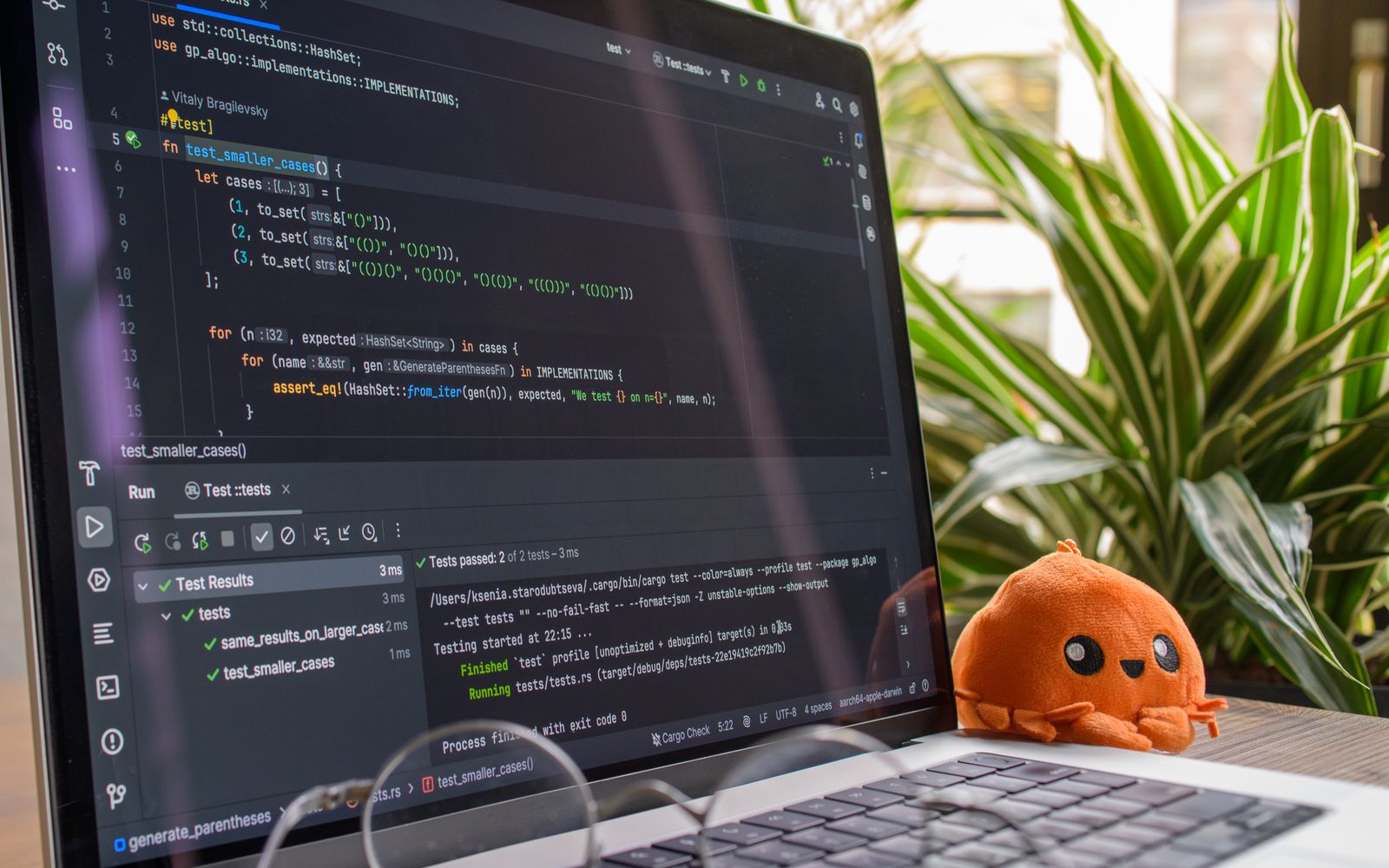
Learn how to distinguish Gemini API geo-blocking from server overload when calling from Cloudflare Workers egress IPs, and discover the exact response handling strategies needed for each.
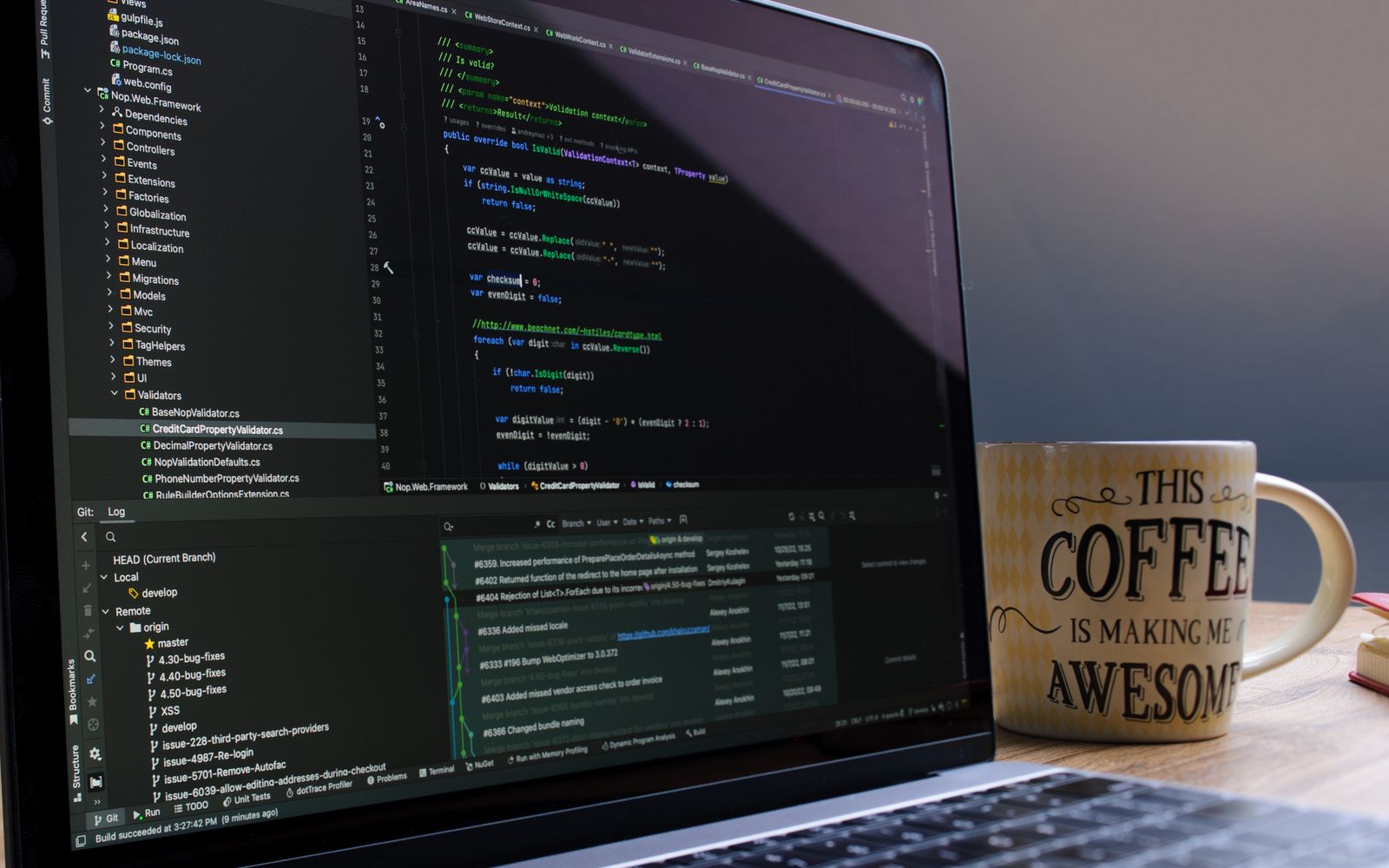
Examine shared Git state hazards when running parallel AI coding agents in worktrees, and learn how to prevent ref corruption and branch name collisions.

Learn how to build persistent AI-agent workflows that move safely between a laptop and VPS using durable task state, explicit checkpoints, and safe work ownership.
ADLC is emerging as a label for agent-first software delivery, but current frameworks disagree on phases, gates, and governance. Here is a practical way to evaluate them.

A task-based guide to selecting the right AI assistant for coding, documentation, and automation workflows by evaluating model strengths and operational trade-offs.
A practical framework for comparing AI model leaderboards by task fit, uncertainty, cost, speed, and evaluation methodology instead of trusting a single rank.

Separate workflow orchestration from model routing so multi-agent systems can choose the right worker and the right model without duplicating control logic.
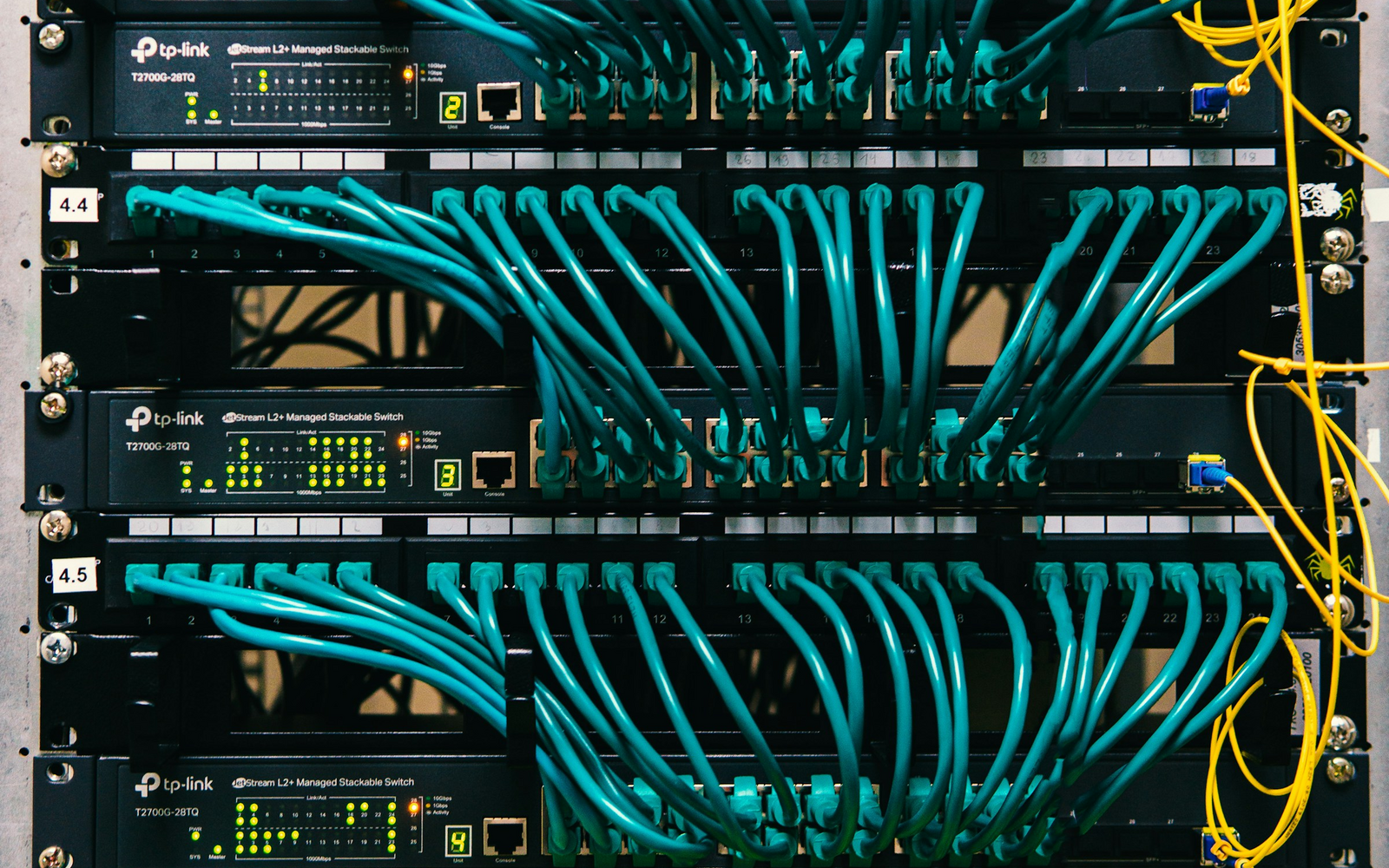
Learn when an MCP server should run locally over stdio and when an always-on workflow needs a remote Streamable HTTP deployment.

Learn how to implement a robust fallback mechanism for AI model API calls that prevents retry amplification during HTTP 503 overload events.

Design AI agent fallback that preserves task state, transfers workspace ownership safely, verifies progress, and avoids endless handoff loops.

A practical guide to building zero-dependency edge architectures for autonomous AI agent discovery, cryptographic verification, and machine commerce protocols.
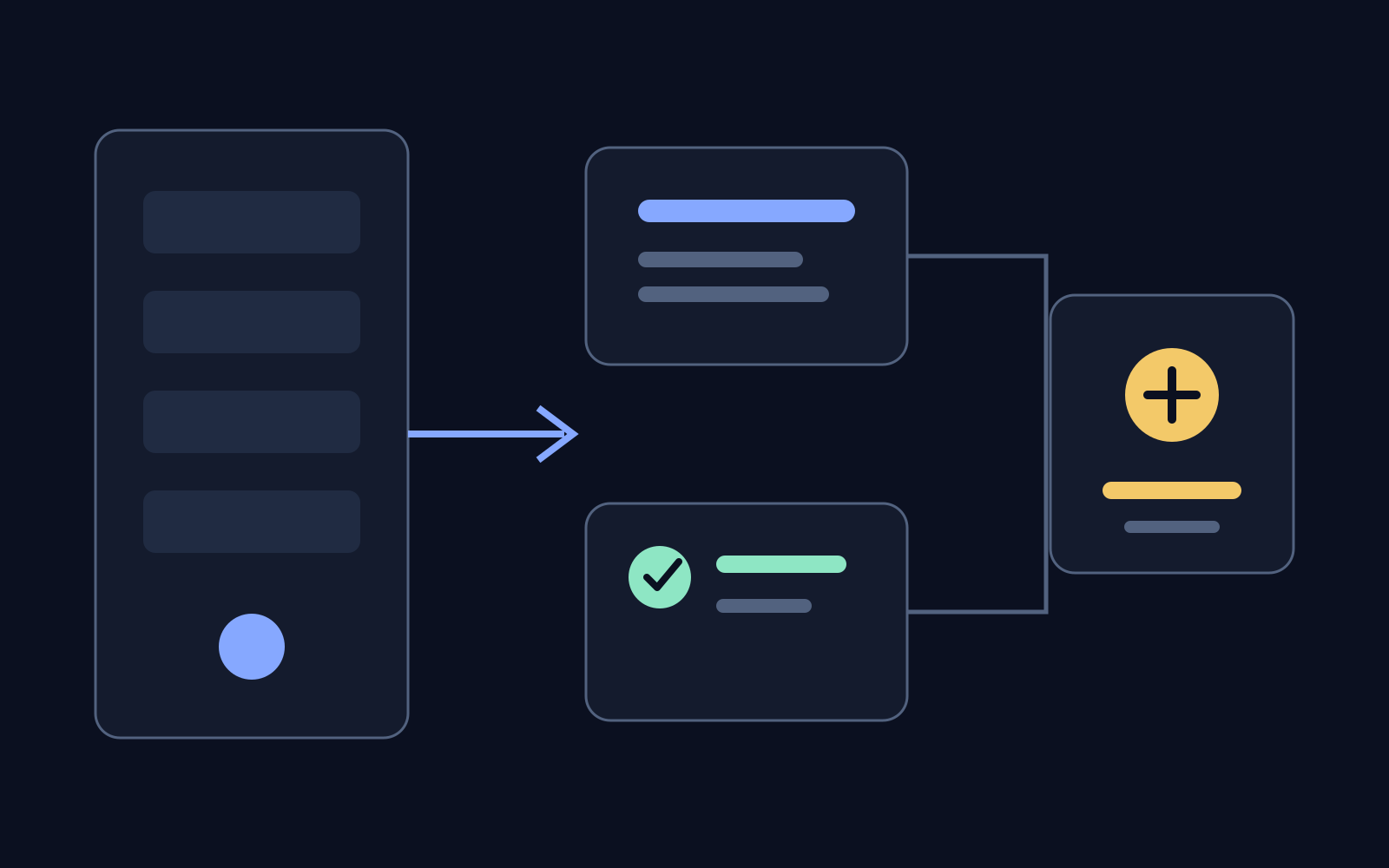
A practical pattern for keeping coding-agent instructions small, durable, and verifiable by using AGENTS.md as a map to deeper repository knowledge.
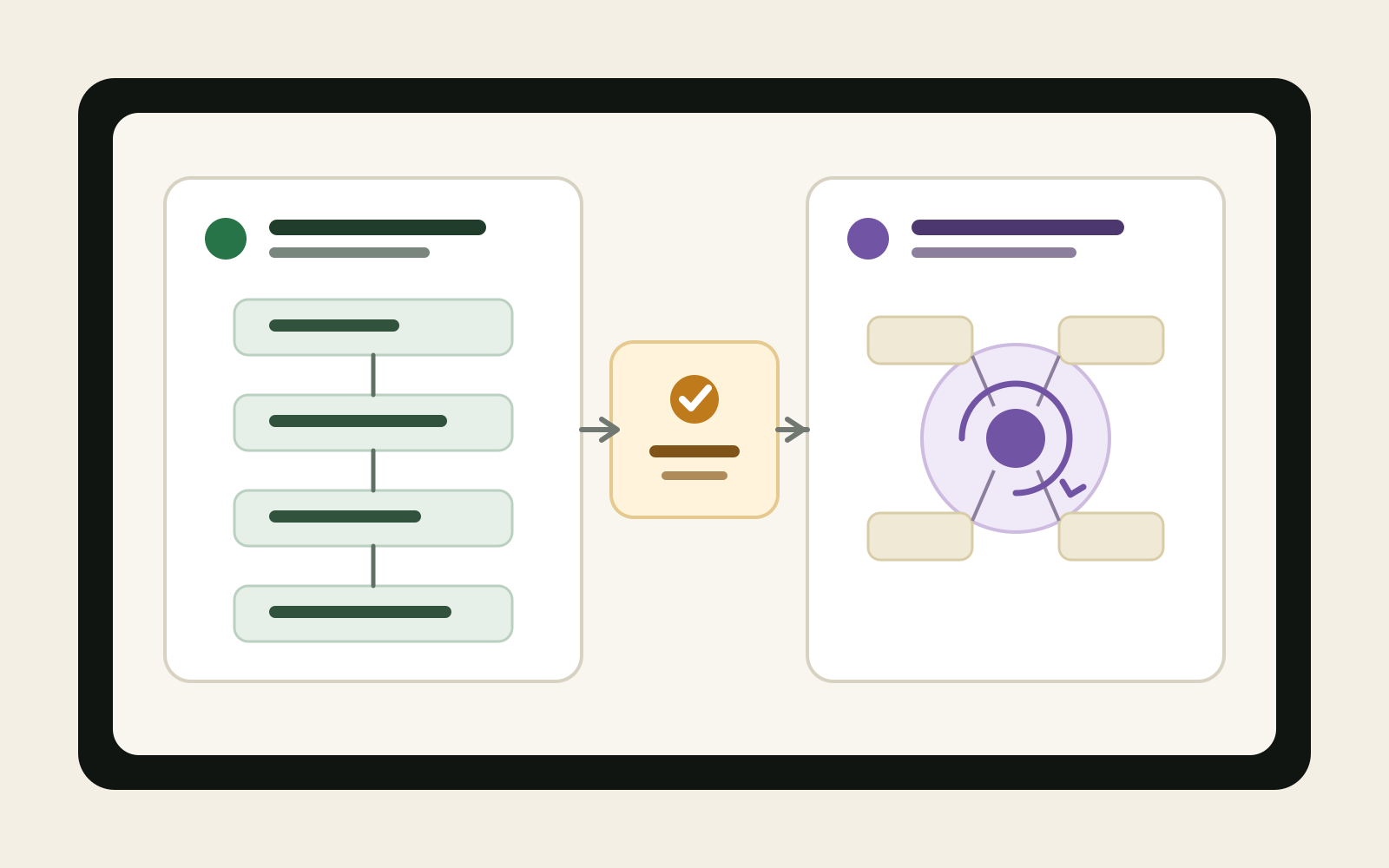
Use deterministic workflow automation for predictable work and AI agents for ambiguous decisions. A practical framework for choosing where each belongs.

Explore the structural patterns, tool permissions, and human approval gates required to build reliable, always-on AI agent architectures using GitHub Actions and automated backends.

AI publishing gets safer when repository schemas, local validation, CI, deploy checks, and live verification form one explicit chain.

An architectural exploration of integrating autonomous AI agents like Codex into backend workflows, balancing local context isolation with strict evaluation loops.

An examination of how context windows operate in AI assistants and strategies for managing token limits during mobile and backend development tasks.

A practical 2026 workflow for automating everything around Medium publishing while keeping the unsupported provider boundary manual and verifiable.

Design a safer AI-assisted Android development workflow with scoped patches, reproducible Gradle validation, dependency checks, risk-based test gates, and human approval.

An exploration of Model Context Protocol integration patterns, examining how developers connect AI assistants to external databases and services without compromising security boundaries.

An architectural guide to structuring mcp.json configuration files for developer tools, AI agents, and secure backend integrations.
An in-depth technical guide examining how to design local LLM automations, native mobile architectures with Jetpack Compose, and robust DevOps pipelines for modern AI industry projects.

An editorial analysis of how to balance high-effort reasoning models, lightweight mini models, and secondary AI subscriptions like Claude to optimize developer productivity and token usage.

An examination of how assistant-side development decisions, ecosystem integrations, and distinct architectural choices shape the utility of major AI platforms.
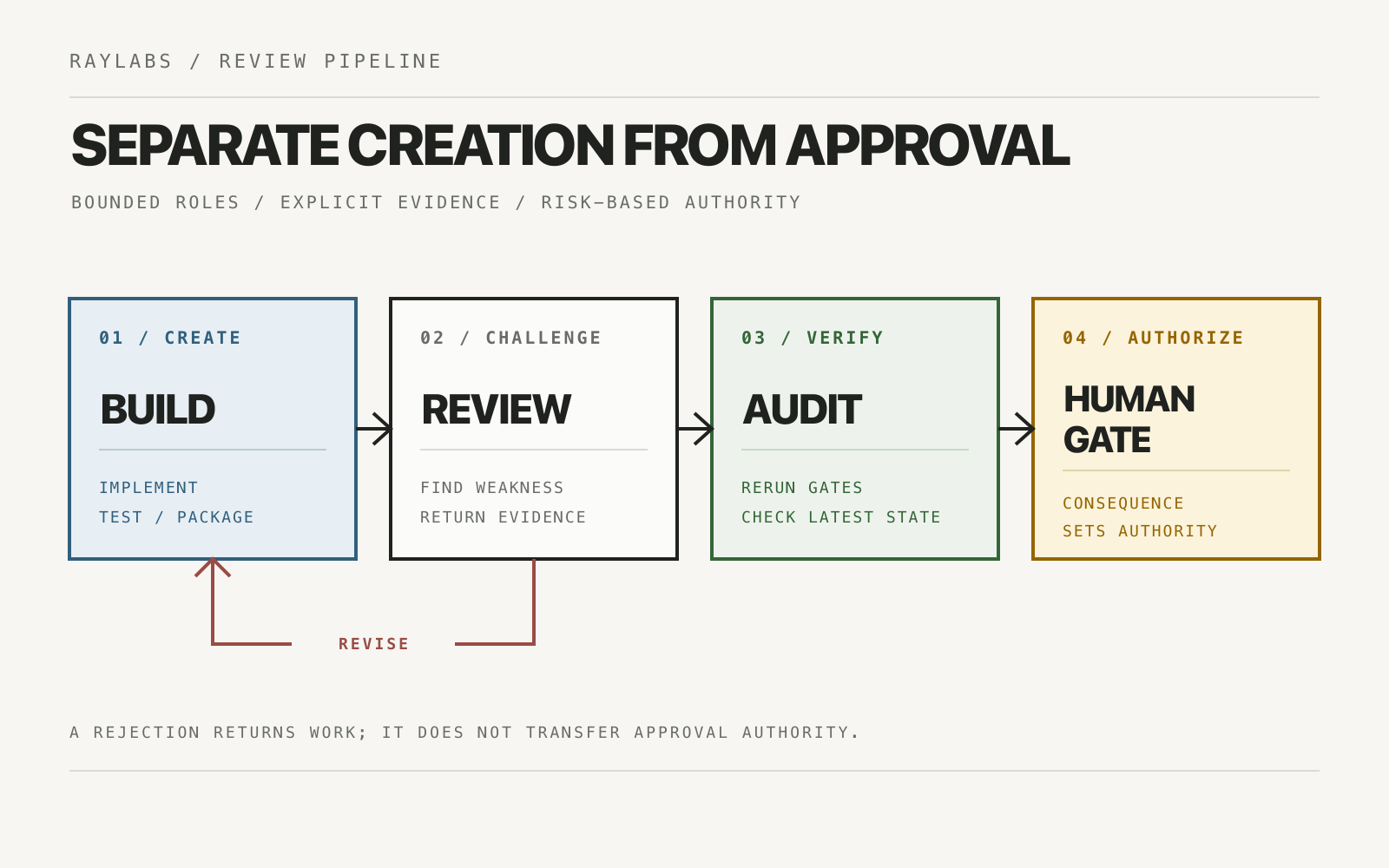
A multi-agent review pipeline for AI coding work separates implementation, independent review, final audit, and risk-based human approval with clear evidence.
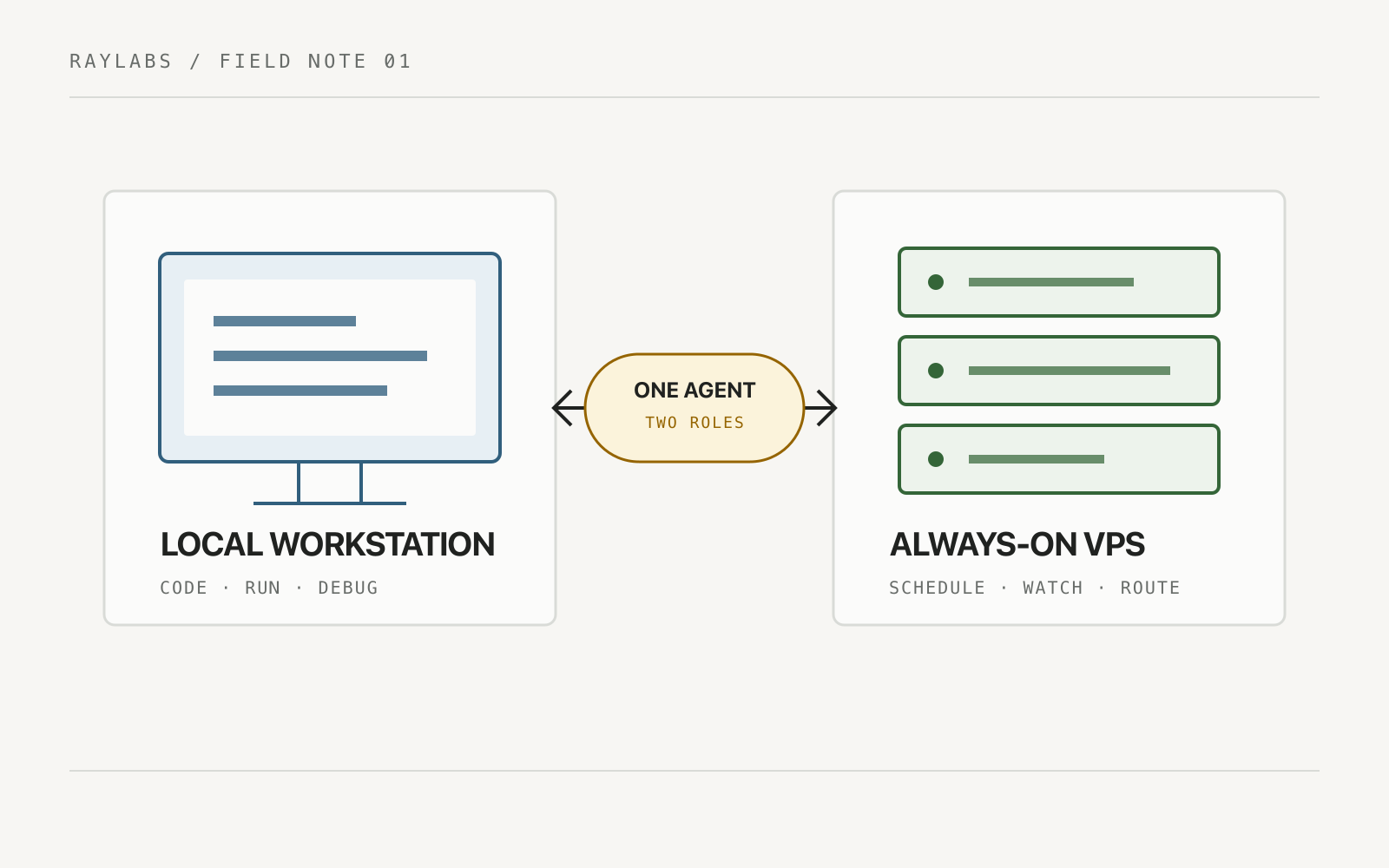
Choose where an AI coding agent should run by separating interactive development, always-on orchestration, and heavy build workloads.
Get instant updates when new AI Agents engineering deep-dives, benchmarks, and architecture guides are published.