
Count Publication Attempts Without Double-Counting Retries
Learn how to measure consecutive scheduled publications using durable attempt ownership, immutable article identity, and version-bound streaks.
Systems and patterns for local-first knowledge management, Markdown vaults, automated sync engines, and personal second-brain architectures.
Personal knowledge management becomes truly sustainable only when anchored in open, durable, local-first formats. This pillar explores Markdown-based digital gardens, bidirectional linking, personal knowledge graphs, and automated synchronization engines like Ray Vault Sync. Discover how to organize technical documentation, synchronize cross-device vaults safely without proprietary cloud lock-in, and build private second brains that last decades.
Learn how to measure consecutive scheduled publications using durable attempt ownership, immutable article identity, and version-bound streaks.

Separate content validity from media-provider availability so transient image failures defer the same article instead of discarding work or creating duplicates.

Learn how to safely finish Git-backed publication finalizations during concurrent vault syncs by rebasing lifecycle updates over unrelated changes.

Build a local-first error log with bounded retention, secret redaction, and user-initiated reporting for plugin ecosystems that prohibit client telemetry.

Learn how SonarQube scope affects duplication metrics in TypeScript static sites, and why moving repeated records to excluded JSON changes the report without deduplicating repository data.
A resilient voice-note workflow for Obsidian that keeps the original recording, transcription, and AI summary as separate recoverable stages.
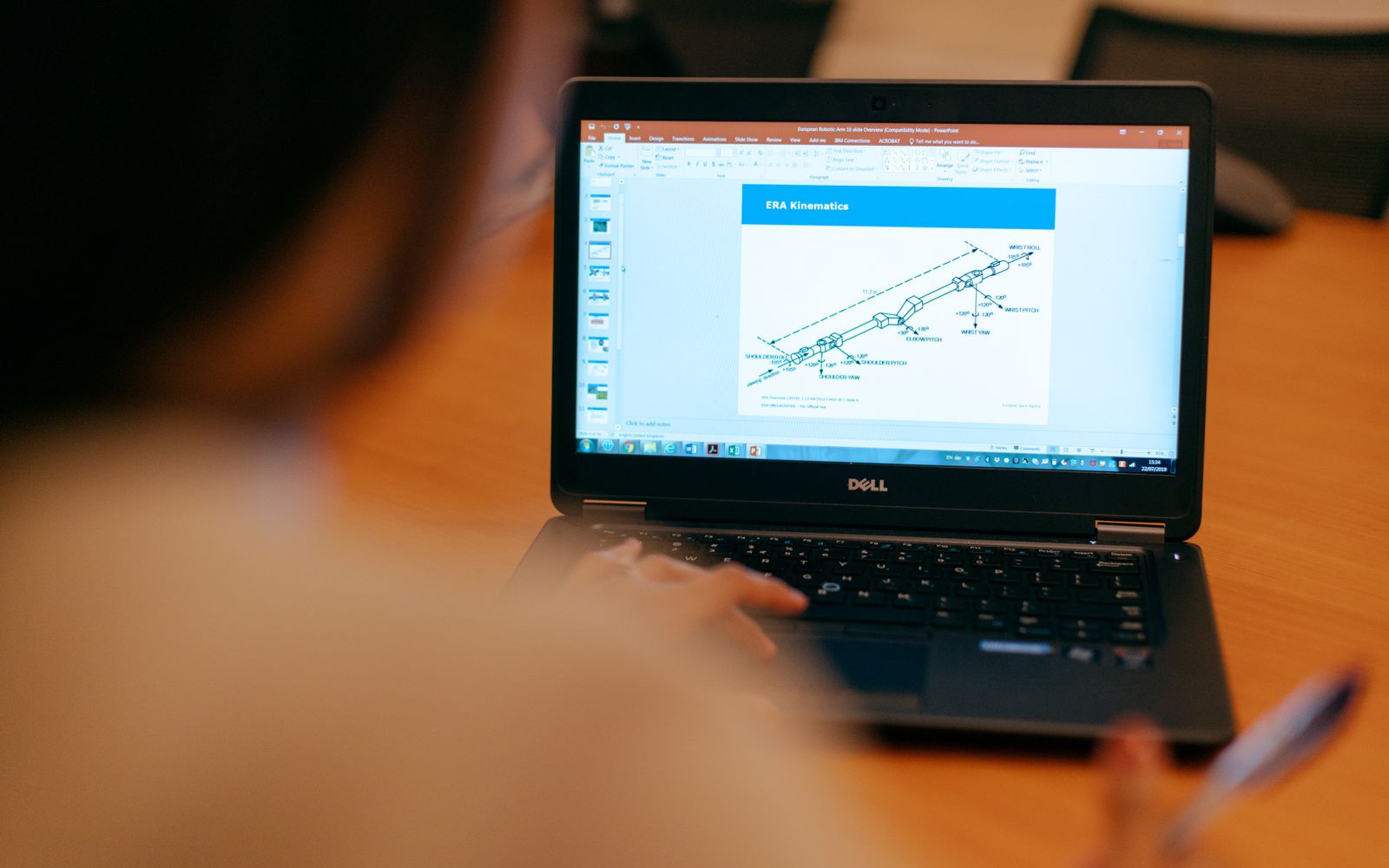
Learn how to preserve citation provenance from source records through generated drafts and schemas to ensure clickable live links.

An evidence-based guide for evaluating technical product roles by inspecting scope boundaries, decision rights, engineering partnerships, and delivery constraints.

A practical framework for choosing between hosted publishing, self-hosted WordPress, and a Git-backed static site without treating SEO as a platform checkbox.

Choose between Notion and Obsidian by deciding what should own your knowledge: a cloud workspace or durable local Markdown files.

Learn how to structure reproducible templates and README files for cross-functional developer tools and multi-platform projects.

A comprehensive guide on creating technical README instructions that promote resiliency, ease of setup, and long-term maintainability for Android software projects.
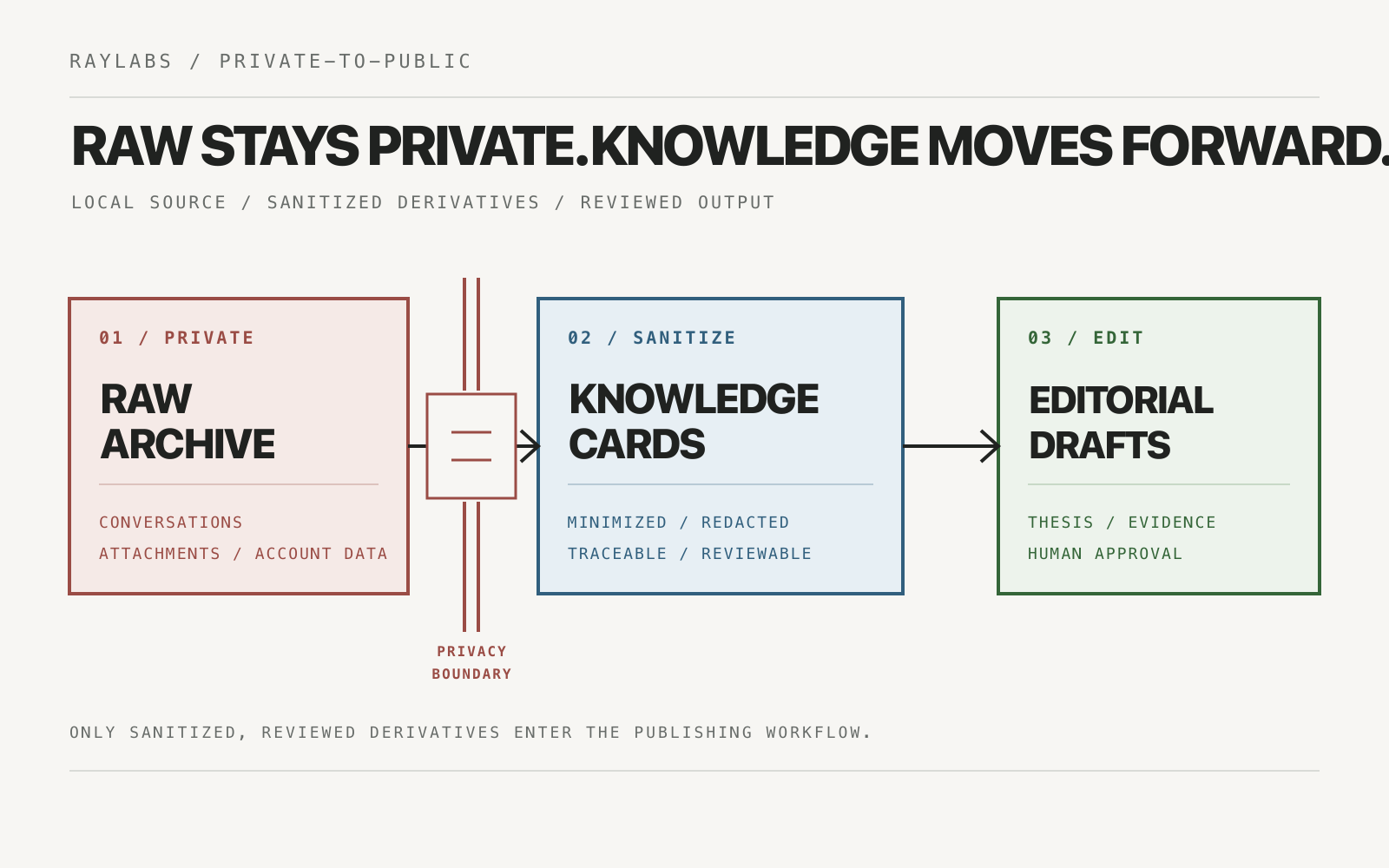
Turn a ChatGPT export into reusable technical notes with a local-first workflow that keeps raw conversations, attachments, and publishing inputs separate.
Get instant updates when new Knowledge Systems engineering deep-dives, benchmarks, and architecture guides are published.